
Plan the collection before capture begins
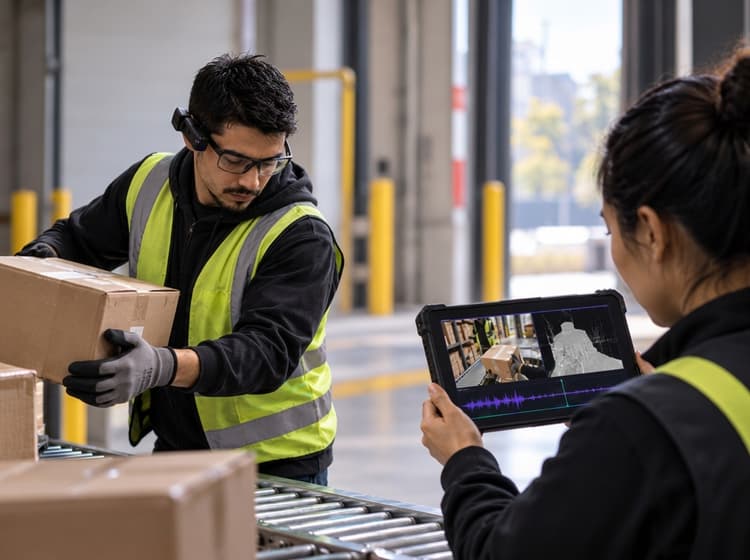
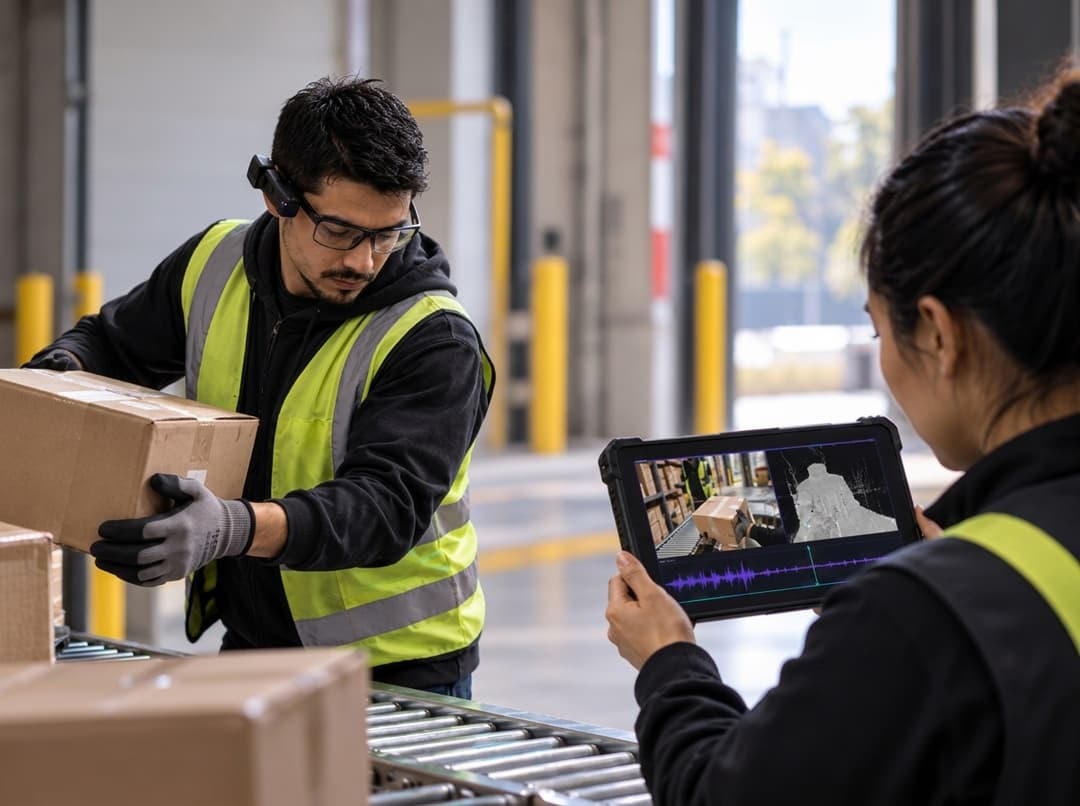
When a suitable dataset does not exist, teams have to define what to capture, who should contribute, and how to judge coverage. Consent, data rights, and quality checks also need to be built into the collection protocol from the start.
Define coverage
Set the data types, locations, contributor requirements, and capture conditions in the collection brief.
Plan the collection before capture begins
When a suitable dataset does not exist, teams have to define what to capture, who should contribute, and how to judge coverage. Consent, data rights, and quality checks also need to be built into the collection protocol from the start.
Define coverage
Set the data types, locations, contributor requirements, and capture conditions in the collection brief.
Recruit for the task
Source contributors to match the project, including native speakers, domain professionals, or task performers where required.
Capture and review
Run field capture, sensor recording, or speech and language elicitation, with checks for completeness and protocol adherence.
Prepare for the next step
Structure collected data for annotation, evaluation, or model training, as agreed for the project.
The challenges that hold back data collection programs

Starting from nothing
With no representative dataset to check against, every decision from what to capture to how much has to be designed from first principles.
Reaching the Right Contributors
Native speakers of specific dialects and people qualified to perform specialized tasks are often difficult to recruit through standard channels.
Consent and Compliance By Region
Rules differ by country and data type, and retrofitting consent after collection is far harder than designing it into the protocol from the start.
Data generation from source to success
End-to-end data services from sourcing and annotation to data generation for model training
100M+
30,000+
18
Data generation from source to success
End-to-end data services from sourcing and annotation to data generation for model training
100M+
30,000+
18
Why Chemin
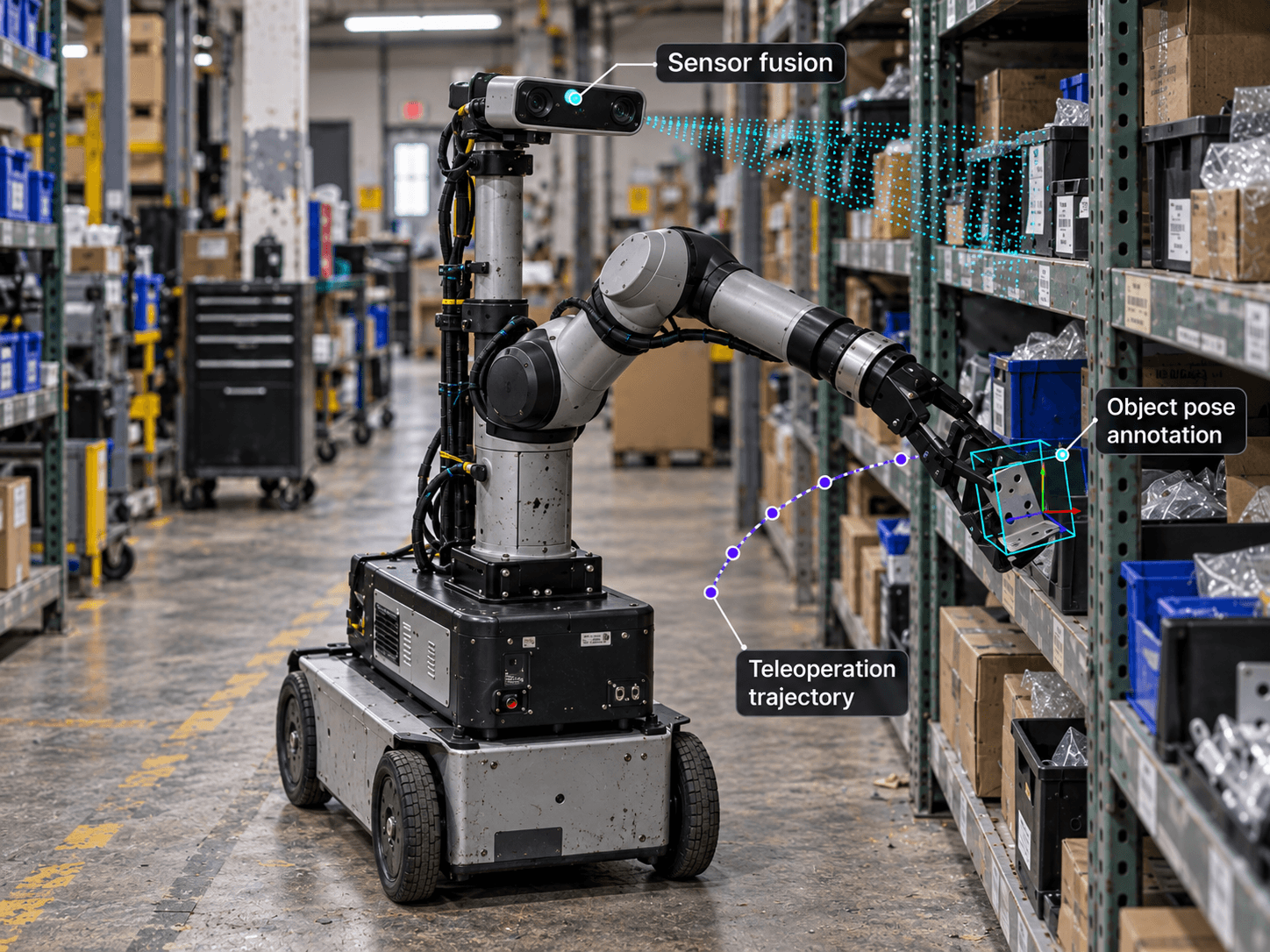
Our team includes 50+ specialists in LLM and data engineering, backed by more than 25 years of enterprise delivery experience and over 100 million data points processed. We run field data capture programs, including sensor rig deployment for robotics use cases. We recruit contributors matched to the brief, whether that means native speakers, domain professionals, or task performers. Coverage across geography and demographics is designed upfront so collected data reflects real deployment conditions, and consent, compliance, and data rights management are built into the program from the start.
Why Chemin
Our team includes 50+ specialists in LLM and data engineering, backed by more than 25 years of enterprise delivery experience and over 100 million data points processed. We run field data capture programs, including sensor rig deployment for robotics use cases. We recruit contributors matched to the brief, whether that means native speakers, domain professionals, or task performers. Coverage across geography and demographics is designed upfront so collected data reflects real deployment conditions, and consent, compliance, and data rights management are built into the program from the start.
Frequently asked questions
Find answers to common questions about our services, process, and how we can support your needs.
What kinds of data can Chemin collect?

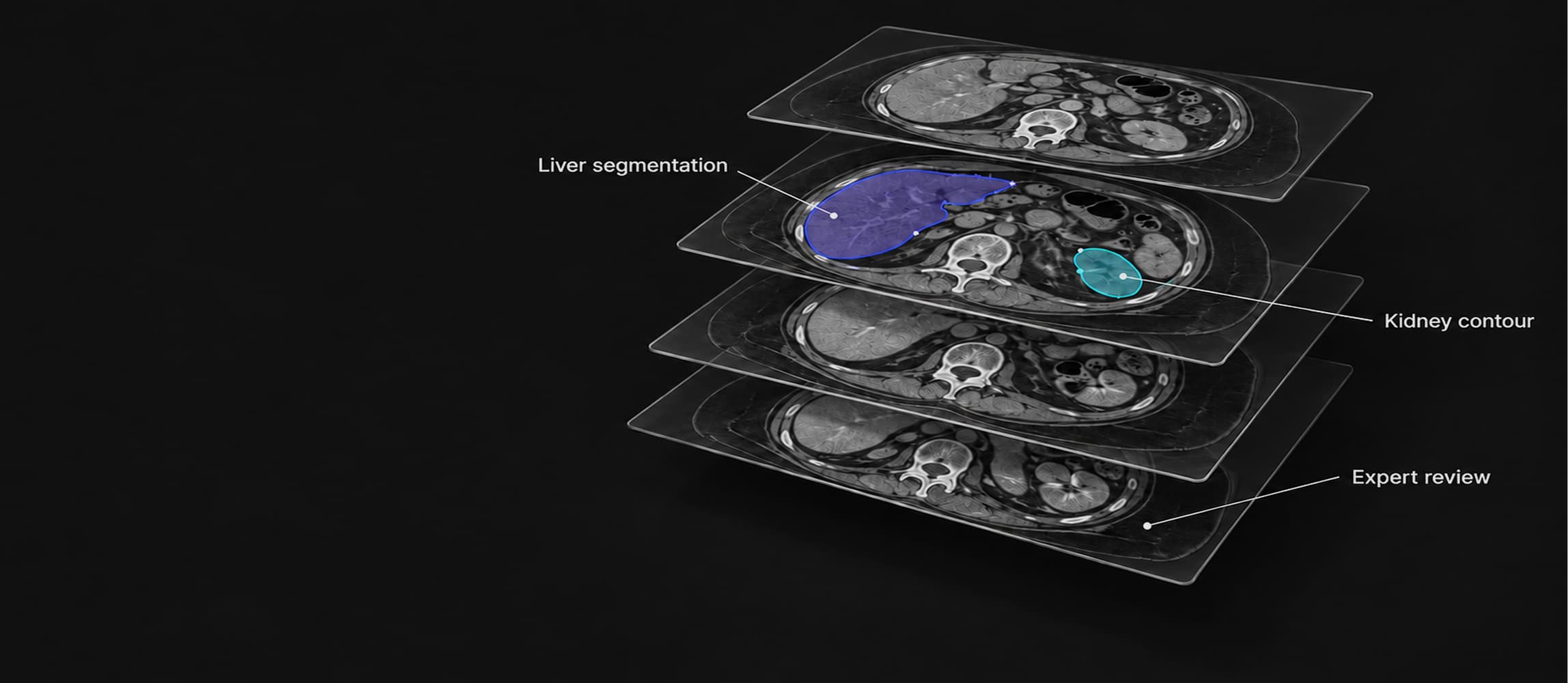
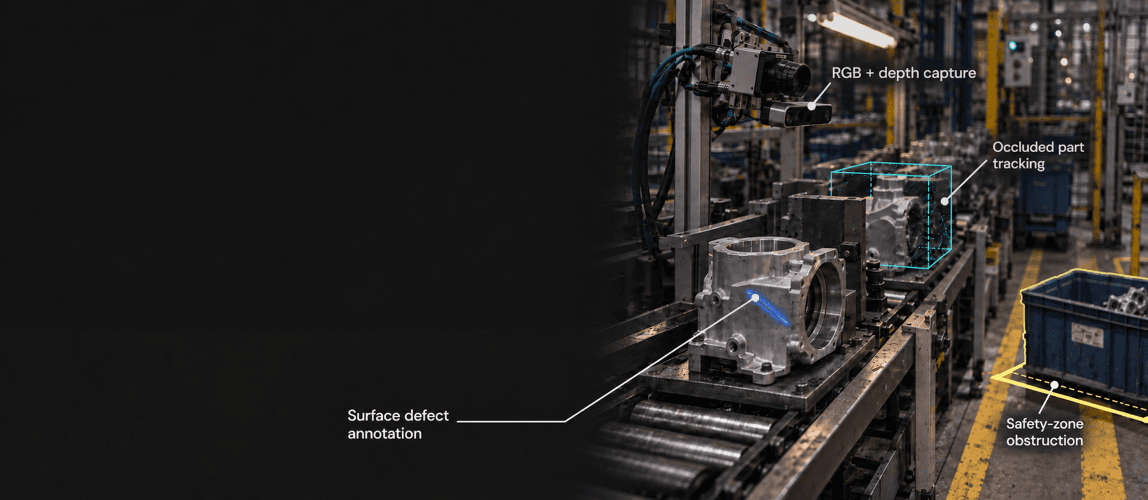
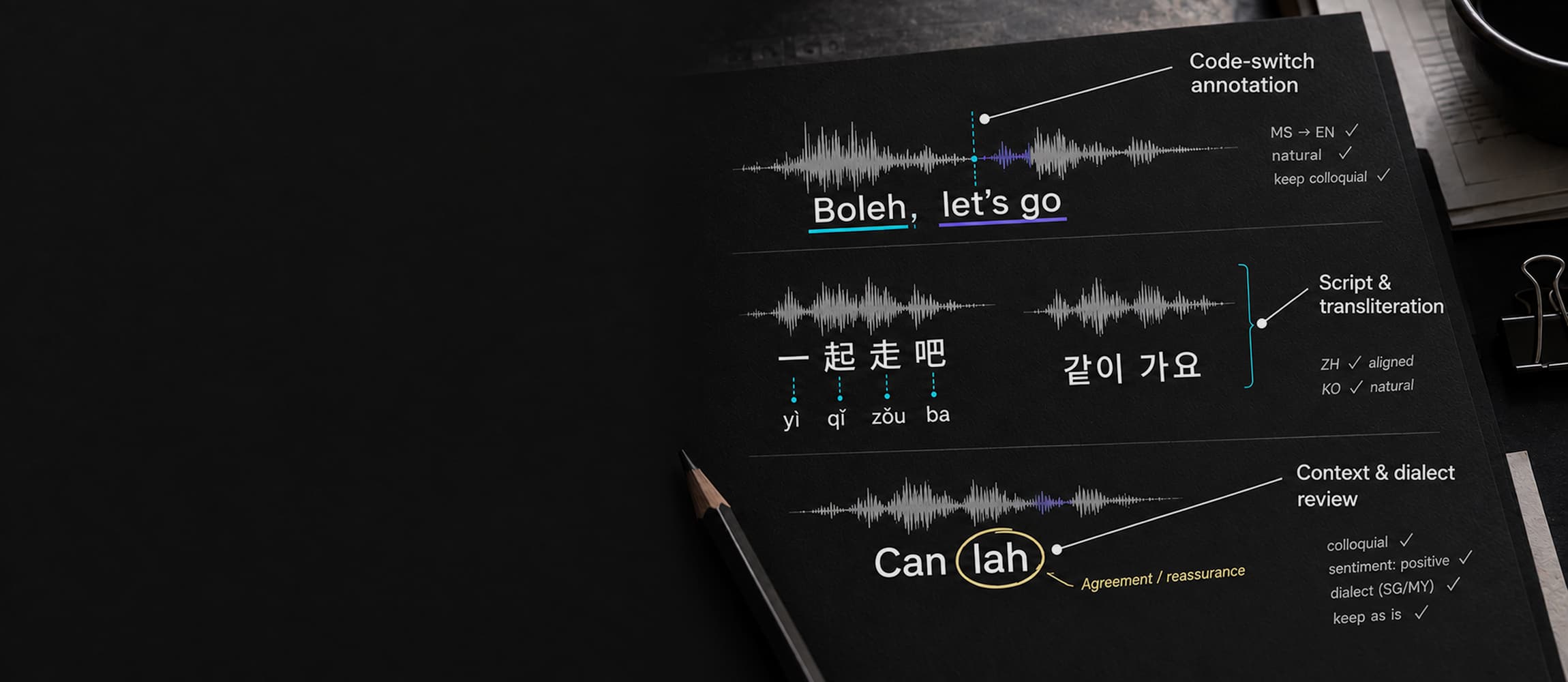
Programs can cover field sensor data, speech and text in regional languages, and task-specific data, scoped to the collection brief.
How are contributors recruited?
Recruitment is matched to the brief, such as native speakers, domain professionals, or task performers, with screening appropriate to the task.
How is consent handled?
Consent and data rights are built into the collection protocol before capture, with requirements defined for the project.
Can Chemin run collection across multiple countries?
Yes. Chemin operates across 18 countries. The locations, contributors, and protocols are scoped to each program.
Can collected data be annotated afterward?
Yes. Collection can be followed by Data Annotation using project-specific rubrics and quality checks.
How long does a collection project take?
Timing depends on scope, geography, contributor requirements, and data type. Milestones are set during project planning.
Start with the data your project needs
Get a sample dataset and discuss the collection brief with our team.