
Every Production Line Has Its Own Demands. Build the Data to Match.
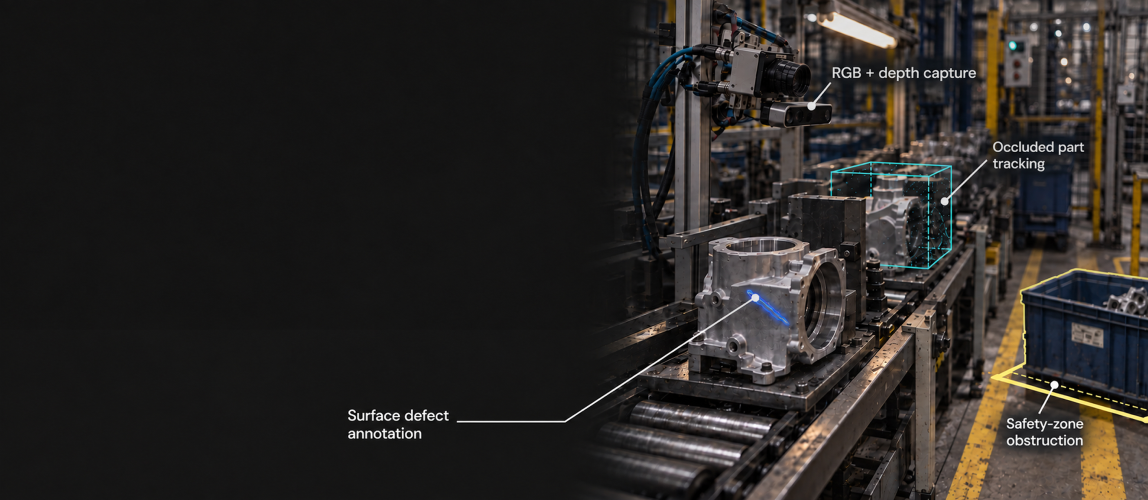
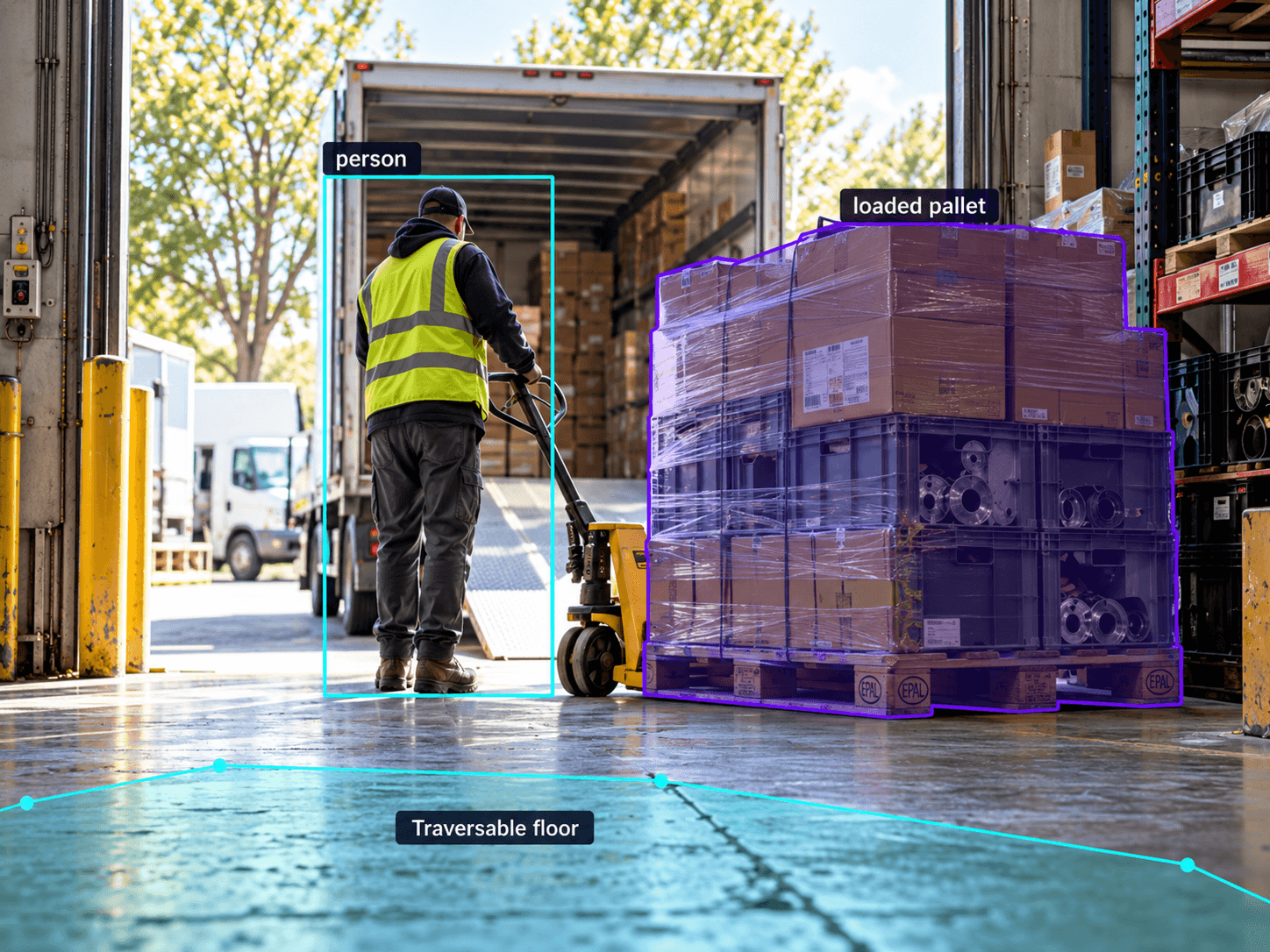
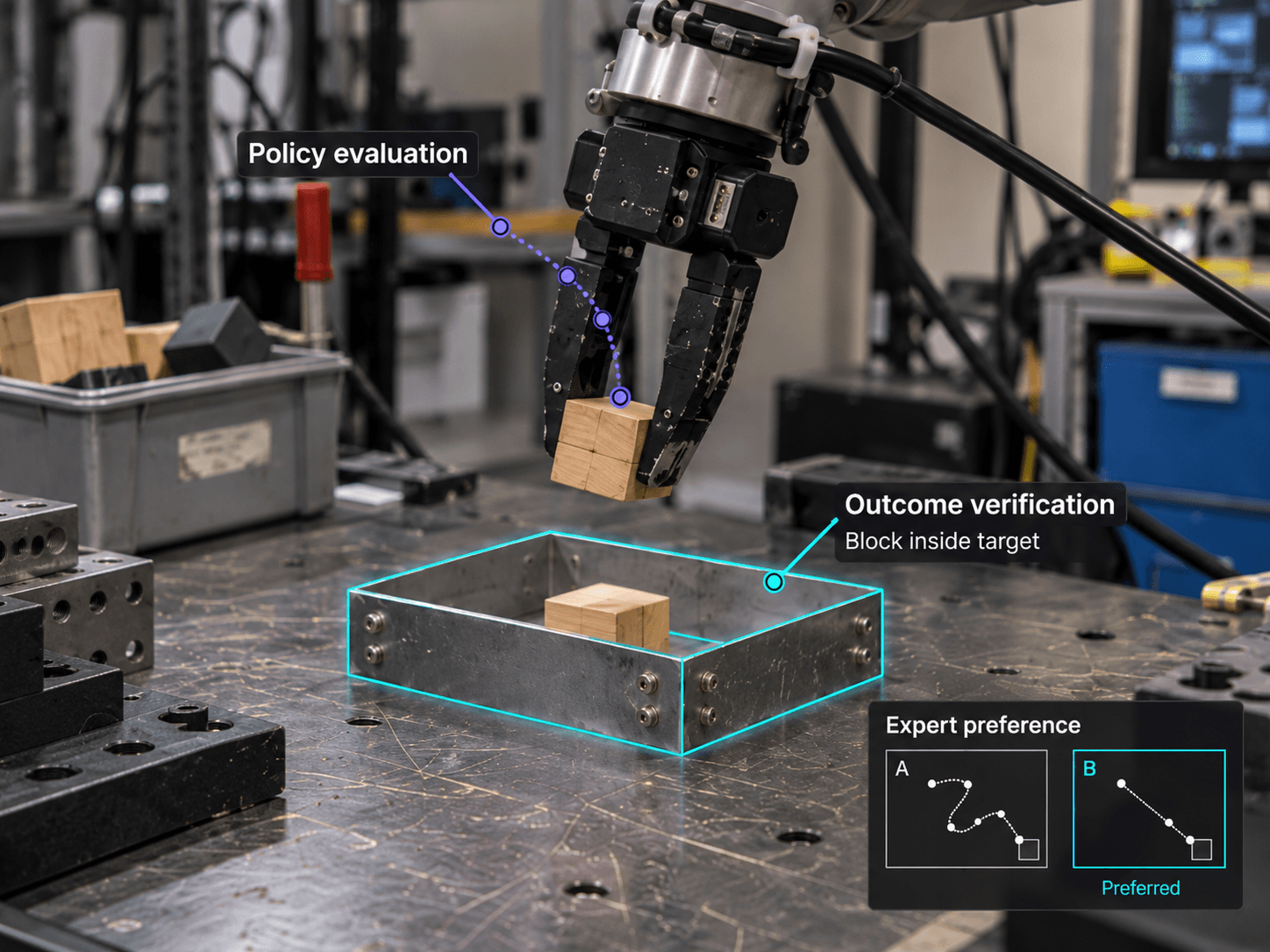
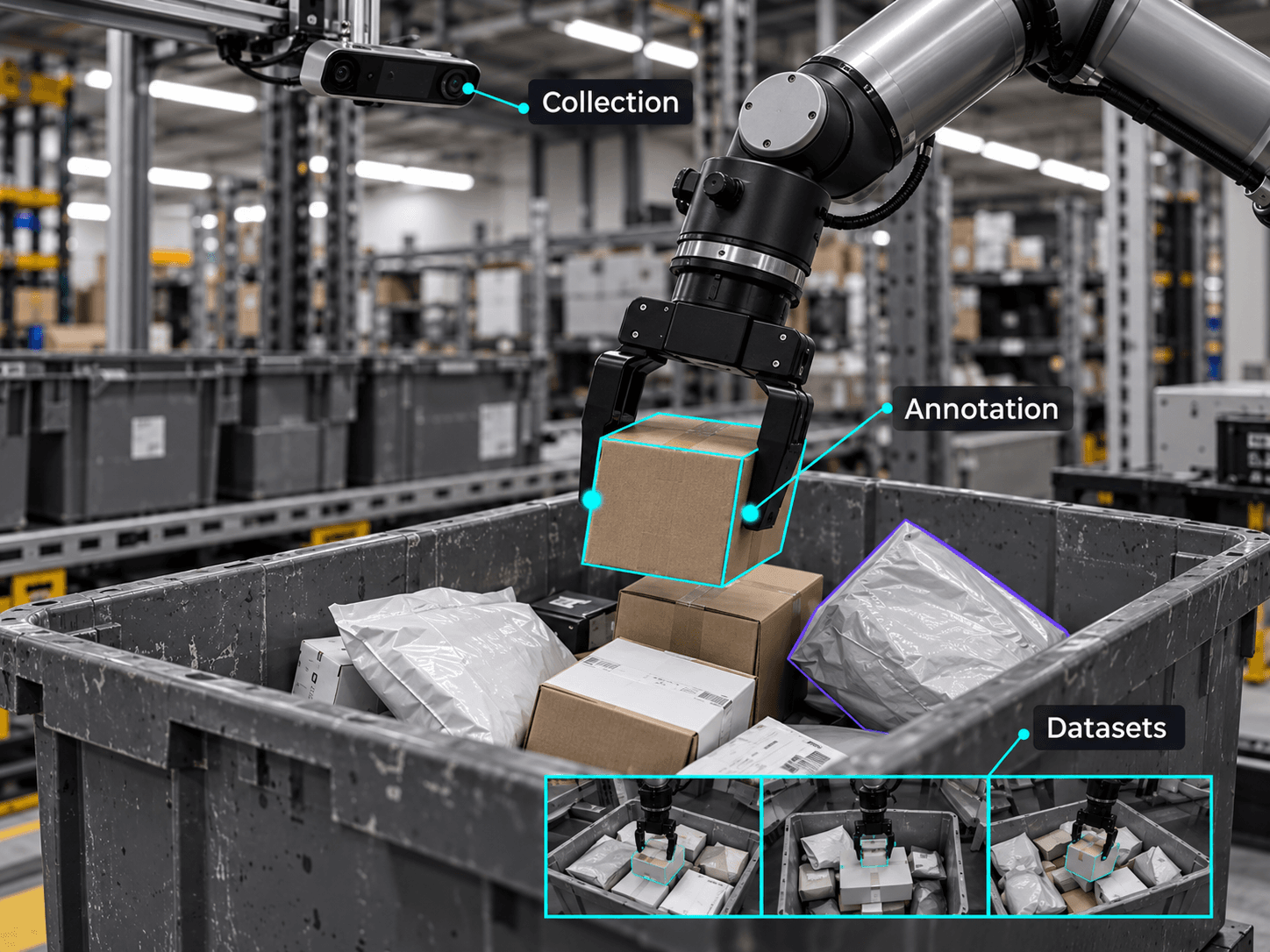
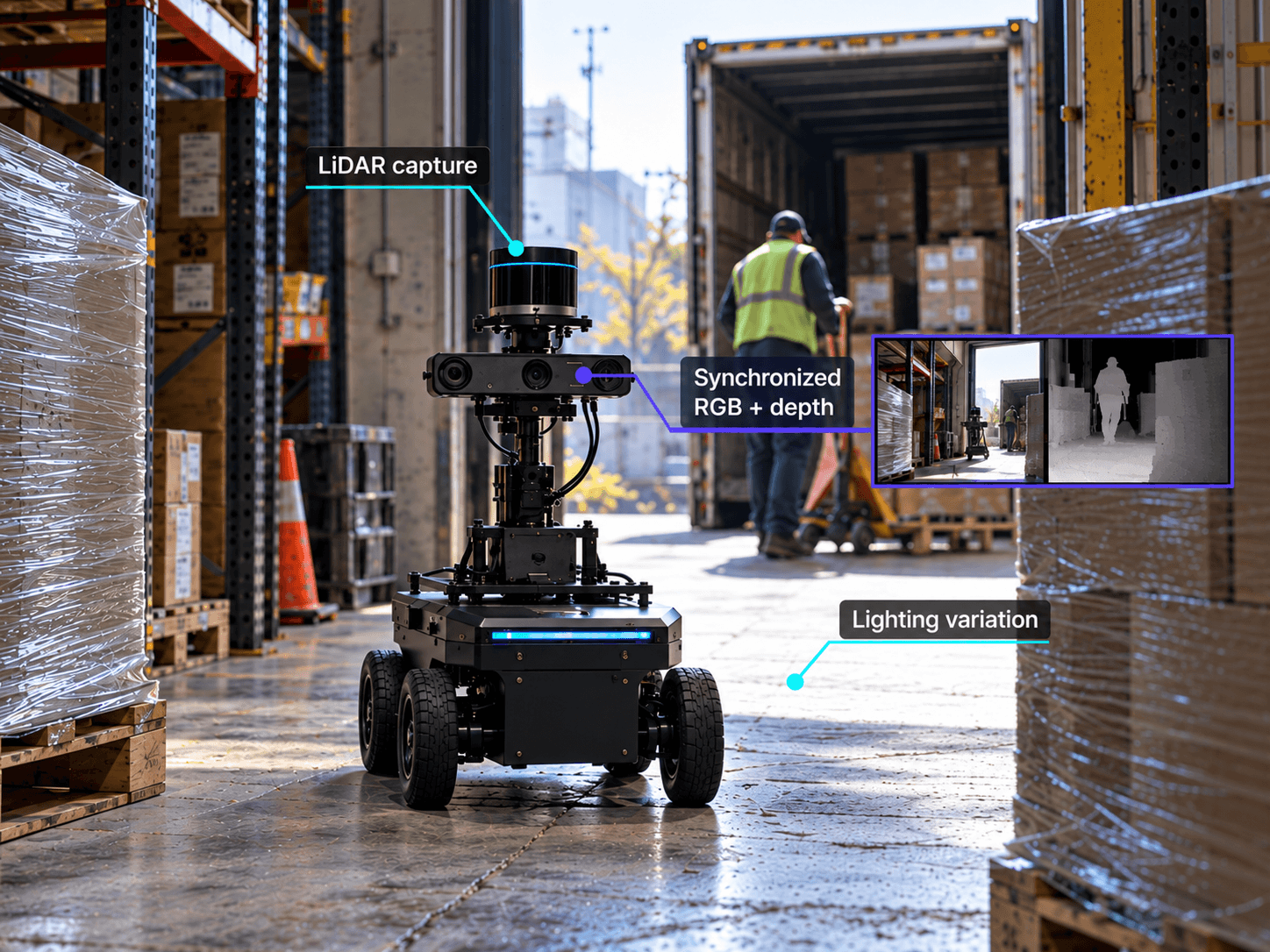
Factory conditions vary from line to line: lighting shifts, equipment changes, materials differ, and defects can be rare. Chemin helps teams collect and annotate vision and sensor data that reflects these conditions for industrial inspection and automation.
Multi-Facility Capture
Material and process sample capture across multiple facilities and geographies rather than a single site, so coverage spans real production variability.
Clutter-Trained Annotation
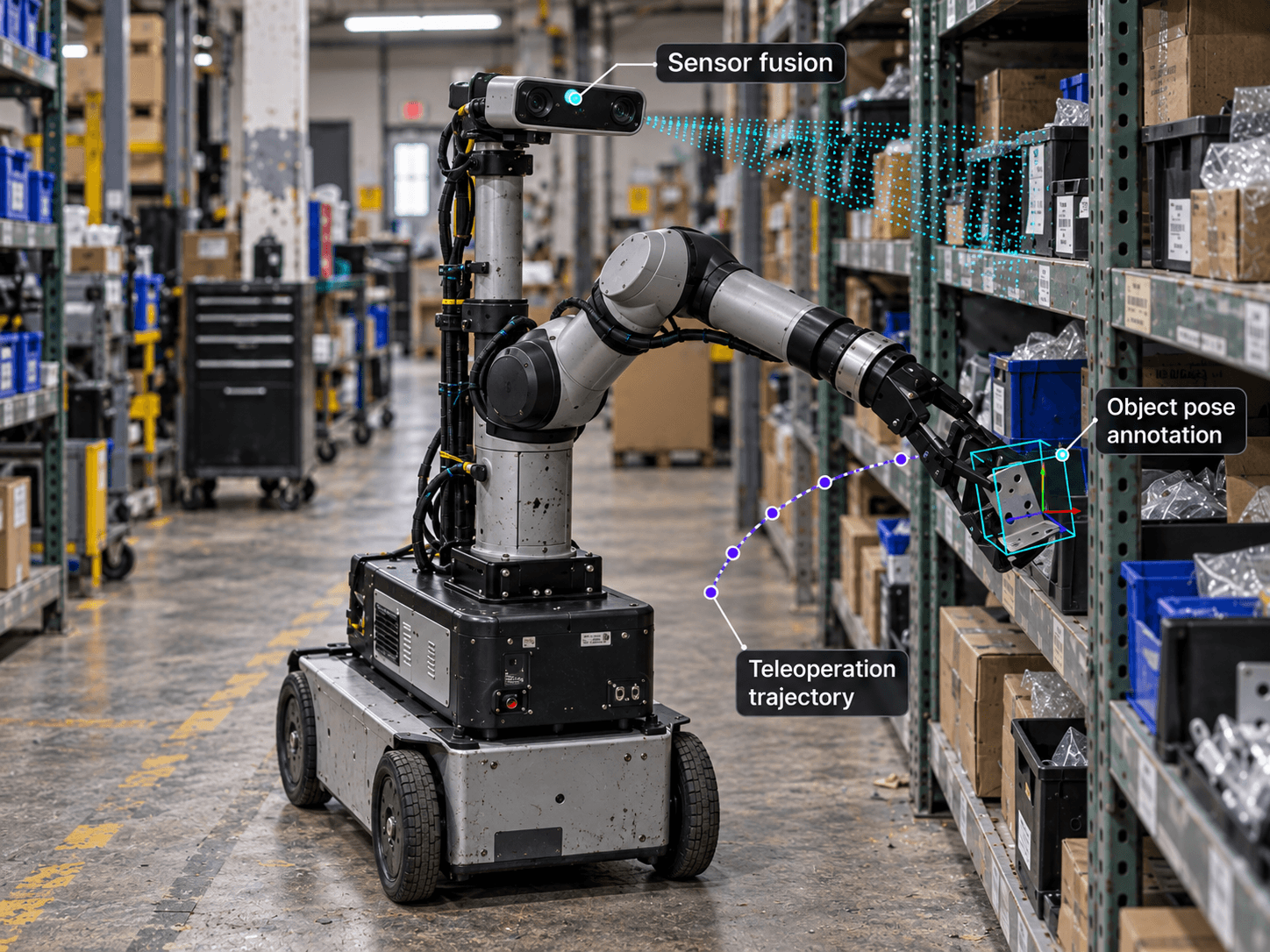
Multi-sensor annotation trained on the clutter, lighting, and occlusion typical of a working facility, not a clean lab environment.
Safety-Critical Edge Mining
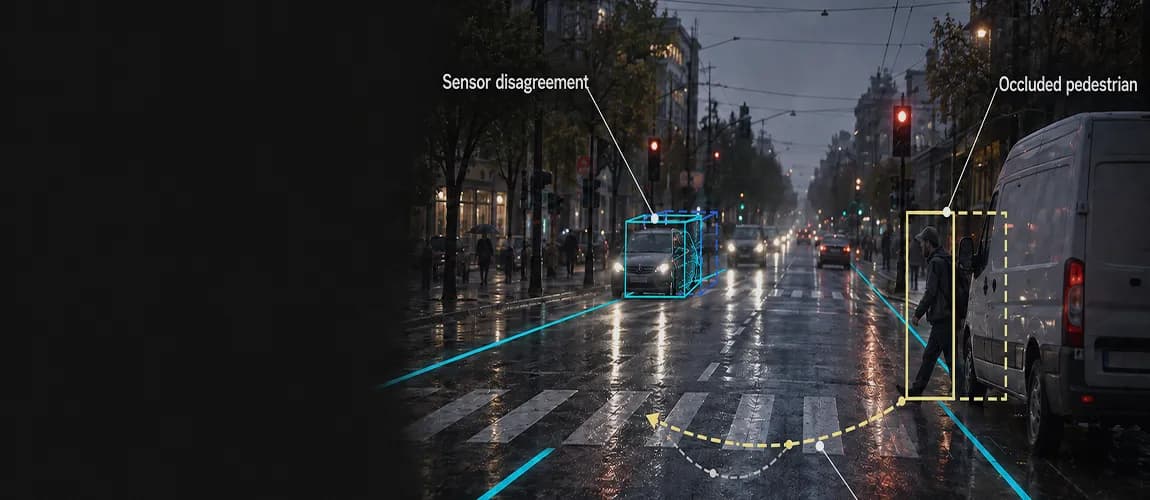
Edge case mining that prioritizes rare but high-consequence failure scenarios instead of treating them as statistical noise.
The challenges that hold back industrial data programs
Production Line Variability
The same defect looks different by lighting, angle, and batch, so a model trained on one facility often does not transfer cleanly to another.

Harsh Chemical Environments
Dust, vibration, and inconsistent lighting degrade sensor data in ways a clean lab will never capture, so coverage has to reflect the real floor.
Safety-Critical Failure Modes
Rare defects create highly imbalanced datasets, so the failure cases that matter most are also the hardest to collect enough of.
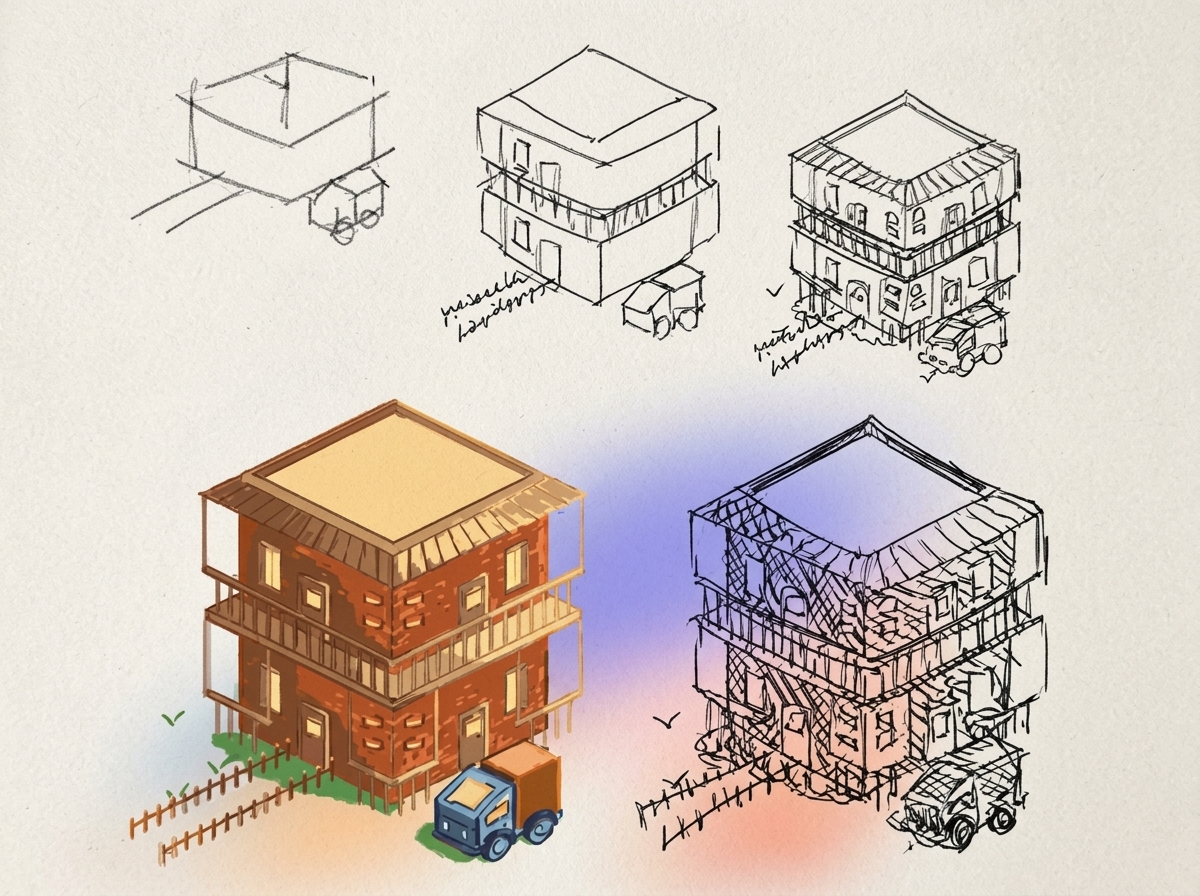
Data generation from source to success
End-to-end data services from sourcing and annotation to data generation for model training
100M+
30,000+
18
Data generation from source to success
End-to-end data services from sourcing and annotation to data generation for model training
100M+
30,000+
18
Frequently asked questions
Find answers to common questions about our services, process, and how we can support your needs.
What facility types has Chemin worked with?

Coverage is scoped per project. Talk to our team about your specific facility and production process.
How is safety-critical failure data handled?
Through targeted edge case mining that prioritizes rare, high consequence failure scenarios rather than treating them as statistical noise.
What types of inspection data can Chemin annotate?
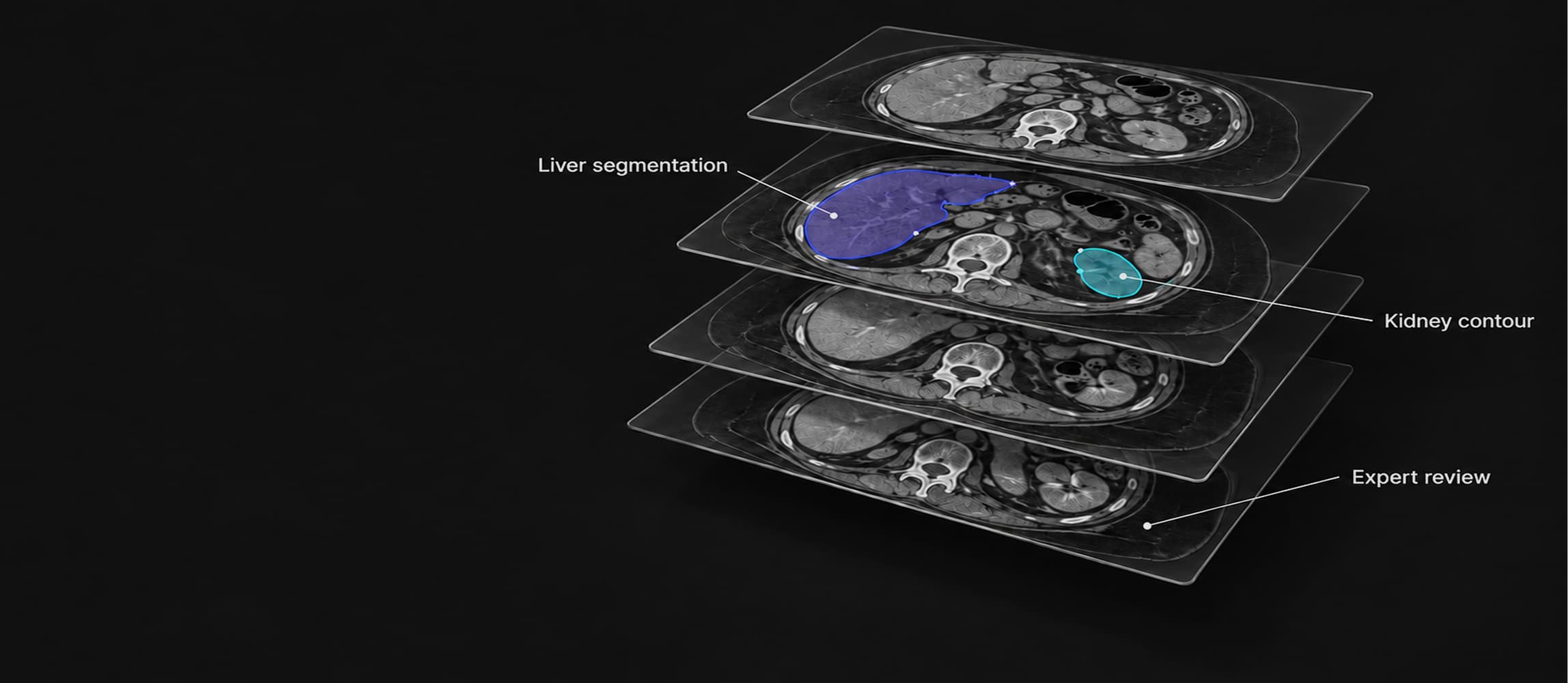
We support annotation for images, video, and other inspection data used in manufacturing quality control. Projects may include defect classification, object detection, segmentation, anomaly detection, and custom annotation workflows tailored to your production process.
Can Chemin improve existing inspection datasets?
Yes. We can review, validate, and refine existing datasets by correcting annotation errors, improving consistency, and expanding coverage of rare or difficult defect scenarios.
How do you maintain annotation quality for manufacturing data?
Quality is maintained through task-specific annotation guidelines, reviewer calibration, gold standard QA, and structured quality assurance workflows to ensure consistency across large production datasets.
Can Chemin support ongoing quality inspection programs?
Yes. Manufacturing processes evolve over time, introducing new products, defects, and production conditions. We support continuous annotation, dataset refinement, and quality assurance as inspection requirements change.
Can Chemin collect new inspection data if we don’t have enough examples?
Yes. Through our Data Collection services, we can support new data capture programs when existing datasets lack sufficient coverage for model development or validation.
How do you handle highly imbalanced inspection datasets?
Industrial inspection datasets often contain far fewer defects than normal examples. We help improve dataset quality through targeted collection, edge-case identification, and careful curation to ensure important failure scenarios are represented.
Can Chemin work with custom defect taxonomies?
Yes. Annotation guidelines and defect categories are developed around your manufacturing process, quality standards, and inspection objectives rather than relying on generic classification schemes.
What industries does Chemin support within manufacturing?
Our data operations support a range of manufacturing environments, including industrial automation, electronics, automotive, logistics, and other sectors where AI is used for inspection, quality control, and operational intelligence.

Coverage built for your production line
Get a pilot dataset captured across your facilities and conditions, with rare failure modes deliberately sourced rather than left to chance.