
Keep Annotations Consistent Across Sensor Streams
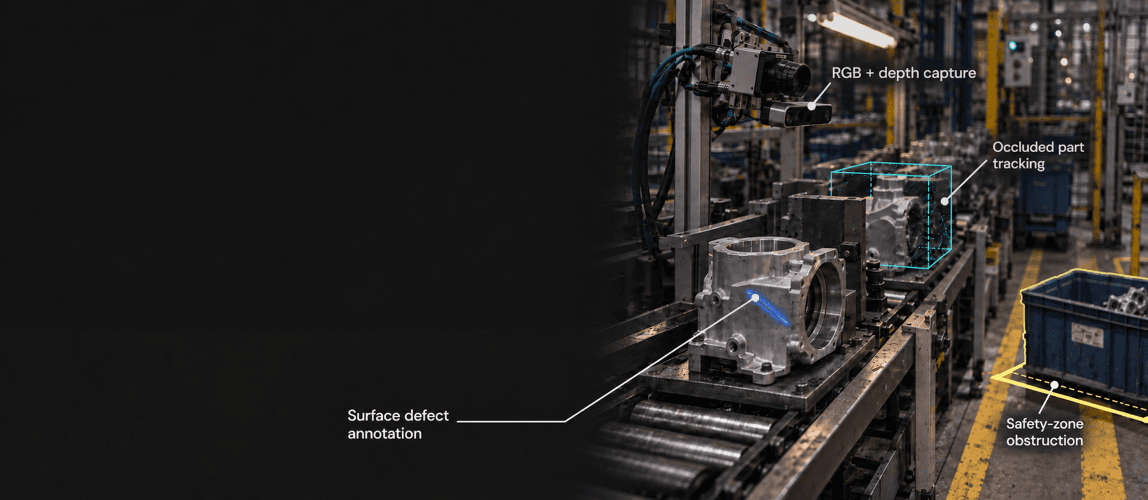
Robotics systems combine sensor streams with different views, timing, and coordinate frames. Annotation guidelines need to define how labels relate across those streams so teams can interpret them consistently.
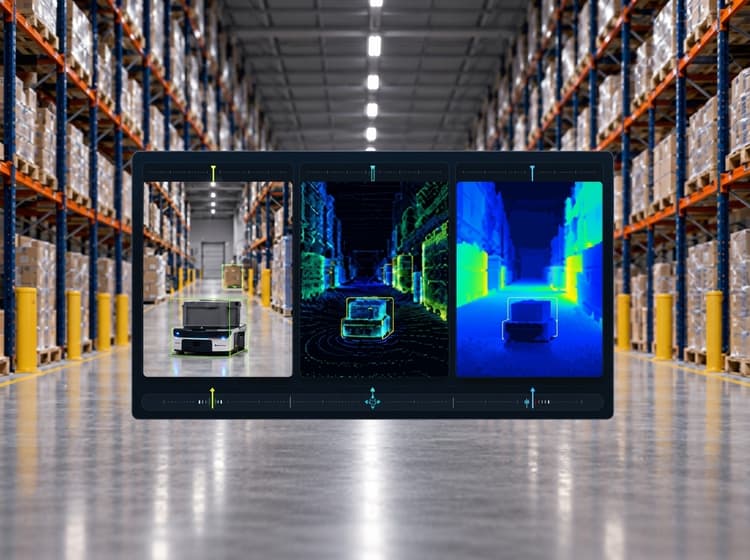
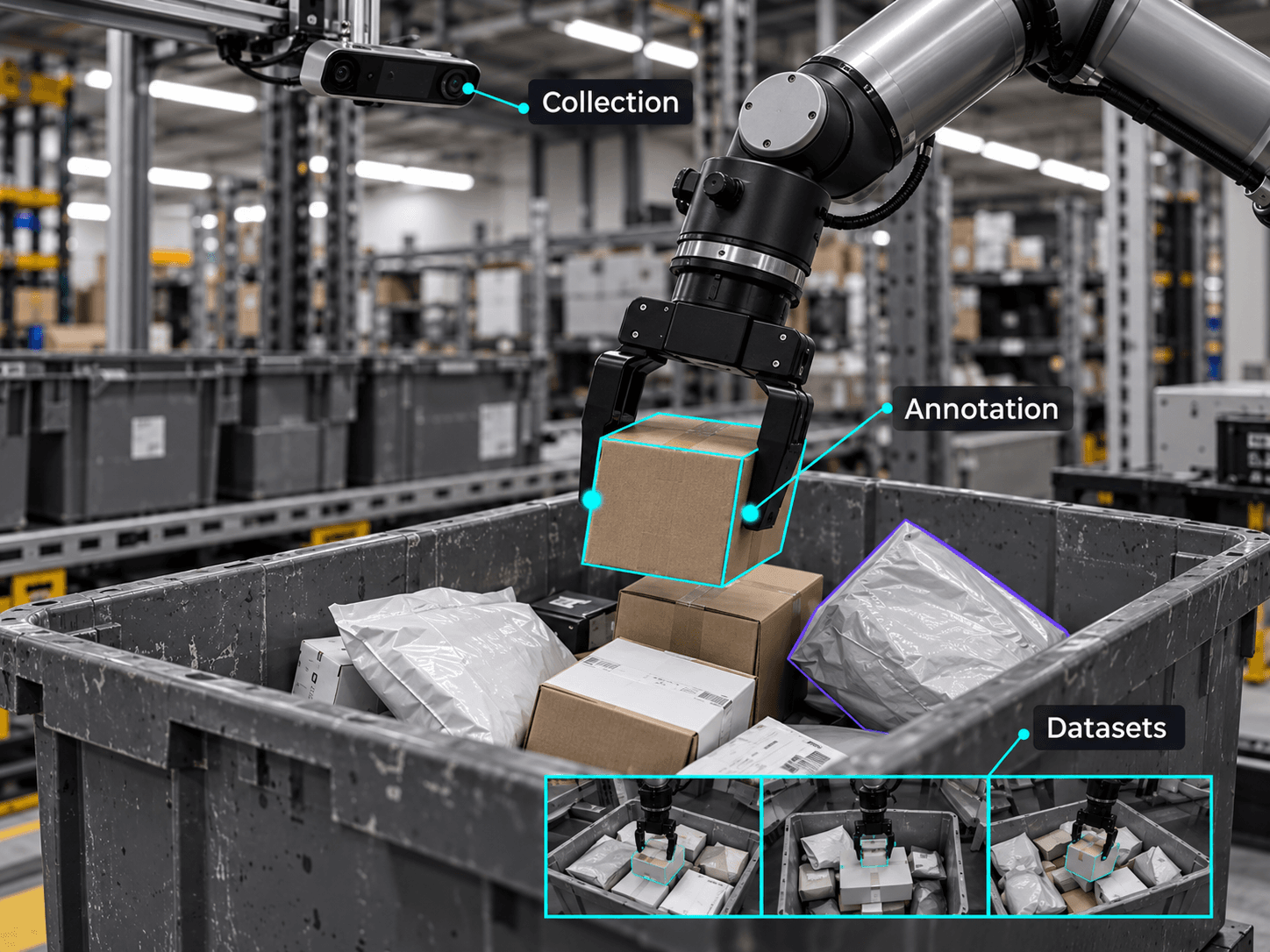
Multi-sensor annotation
Annotate sensor datasets to the labeling requirements agreed for your project.
Keep Annotations Consistent Across Sensor Streams
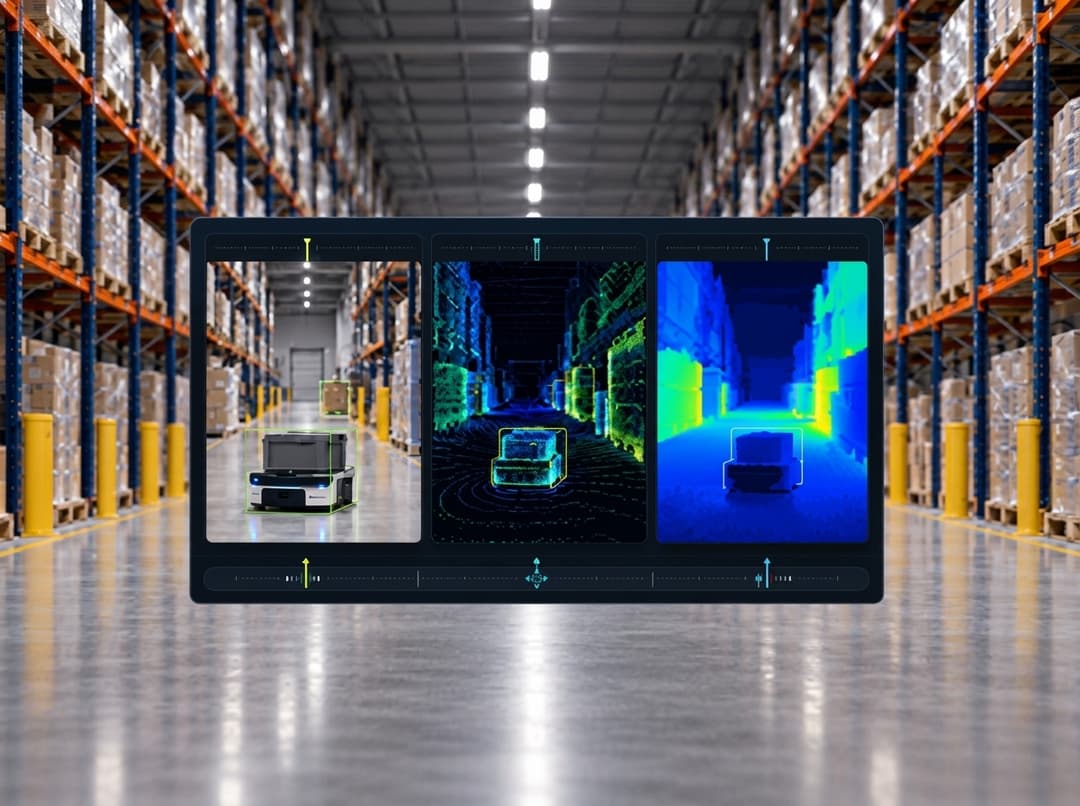
Robotics systems combine sensor streams with different views, timing, and coordinate frames. Annotation guidelines need to define how labels relate across those streams so teams can interpret them consistently.
Multi-sensor annotation
Annotate sensor datasets to the labeling requirements agreed for your project.
Task-specific guidelines
Set annotation criteria around the robot, sensors, and perception or planning workflow.
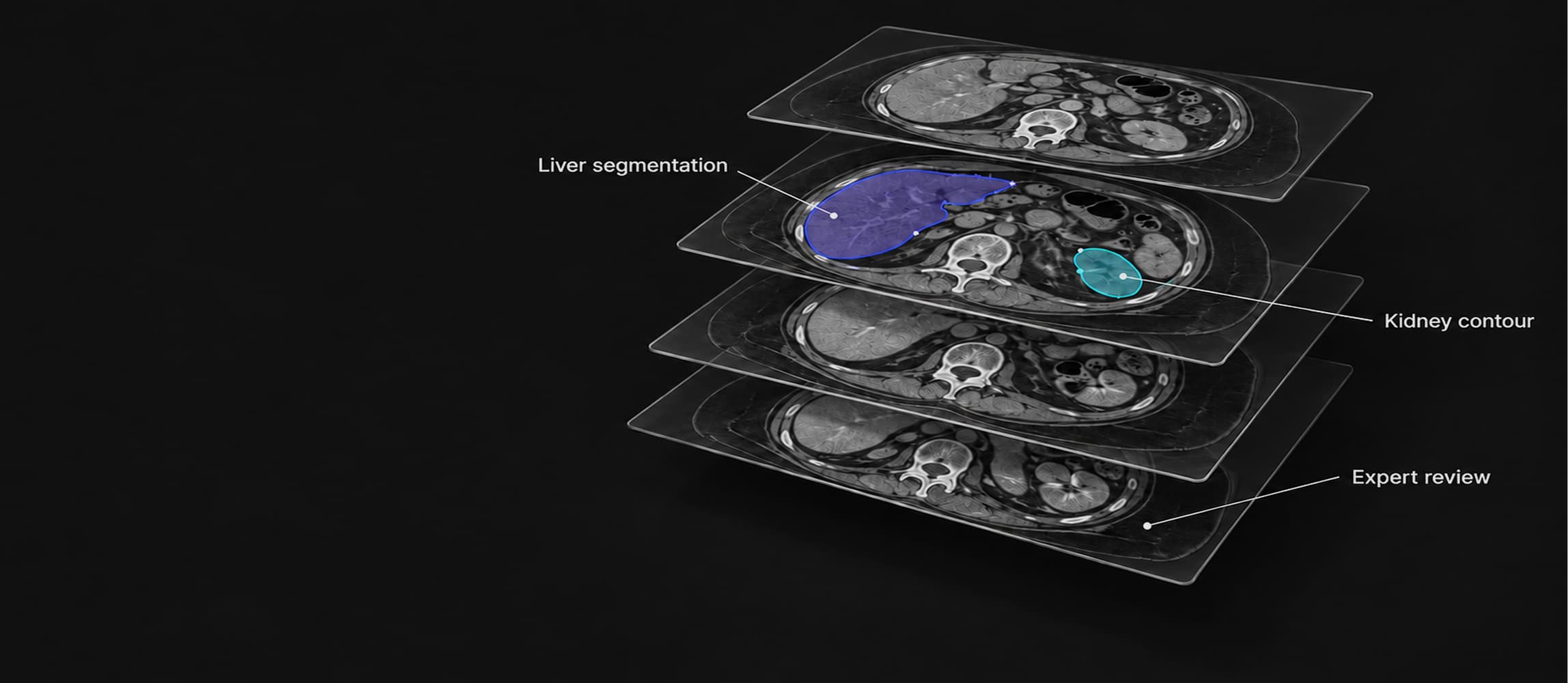
Structured quality review
Use calibrated reviewers and clear quality checks across the dataset.
Data preparation
Organize annotated datasets for training or evaluation in the formats agreed with your team.
The challenges that hold back robotics data programs
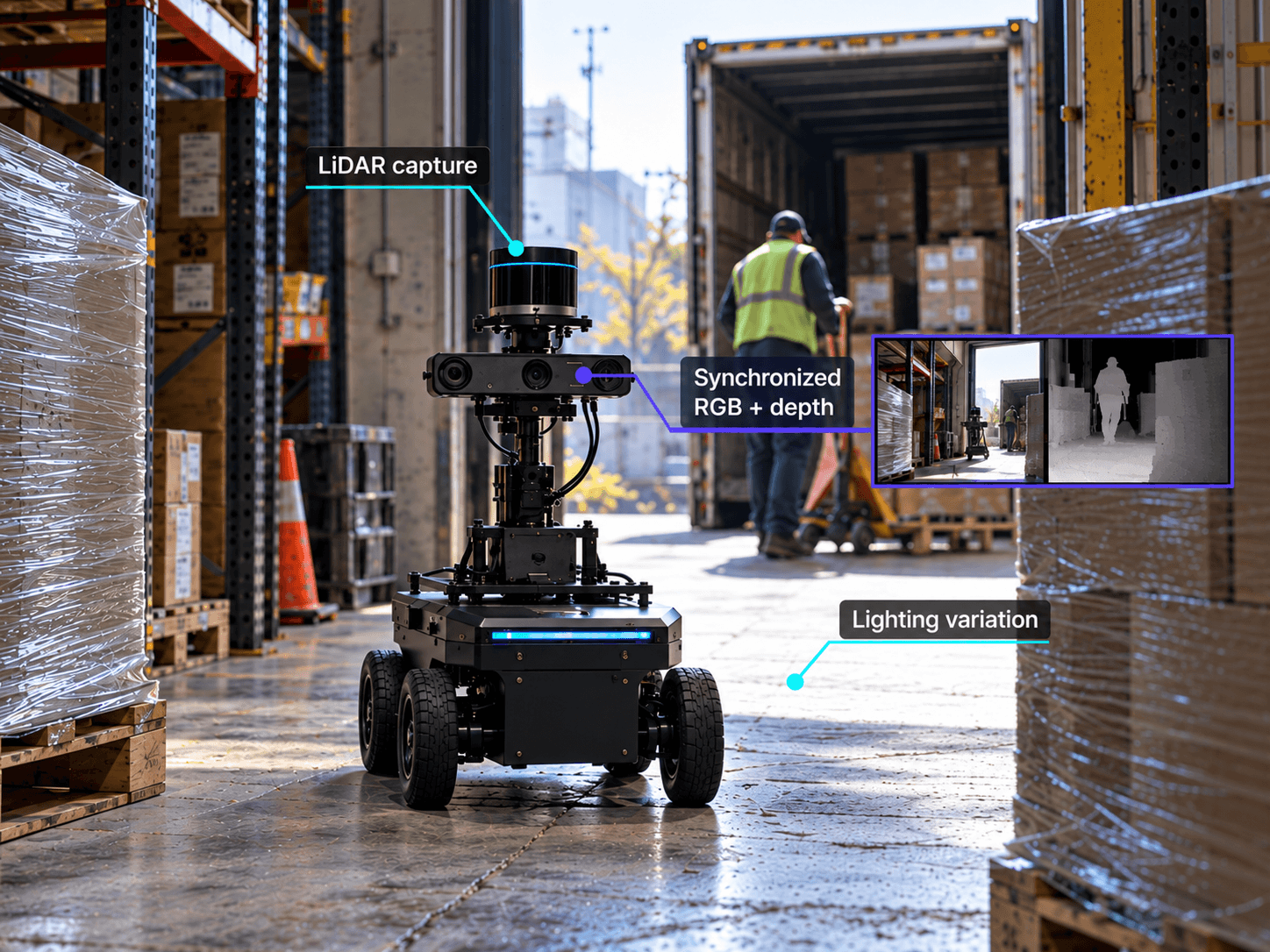
Synchronizing Labels Across Sensors
LiDAR, camera, radar, depth, and IMU streams each operate across their own timing and coordinate frames. Small synchronization or calibration errors can compound across modalities, creating inconsistent training signals for perception and planning models.
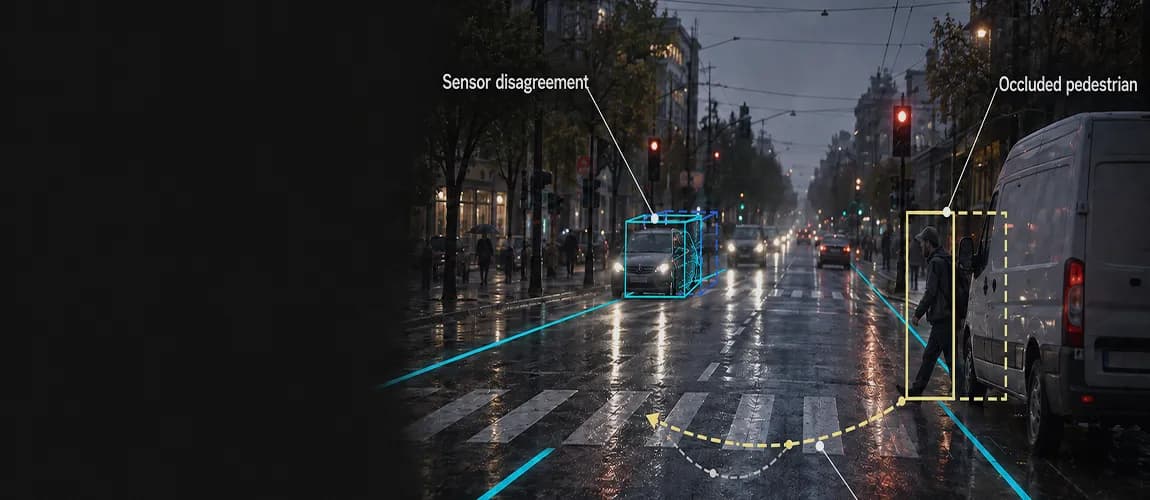
Covering Rare Failure Modes
Occlusion, clutter, unusual weather, sensor degradation, and complex object interactions are difficult to capture through general collection. These scenarios are often sparse in training data despite driving a disproportionate share of real-world failures.

Maintaining Consistency as Stacks Evolve
Sensor upgrades, new robot platforms, and changing tasks can introduce inconsistencies across existing datasets. Maintaining reliable training data requires updated rubrics, calibrated reviewers, and systematic rechecking as the stack evolves.

Data generation from source to success
End-to-end data services from sourcing and annotation to data generation for model training
100M+
30,000+
18
Data generation from source to success
End-to-end data services from sourcing and annotation to data generation for model training
100M+
30,000+
18
Why Chemin
Chemin has delivered enterprise data programs for more than 25 years. Our team of 50+ specialists in LLM and data engineering has processed more than 100 million data points and operates across 18 countries.
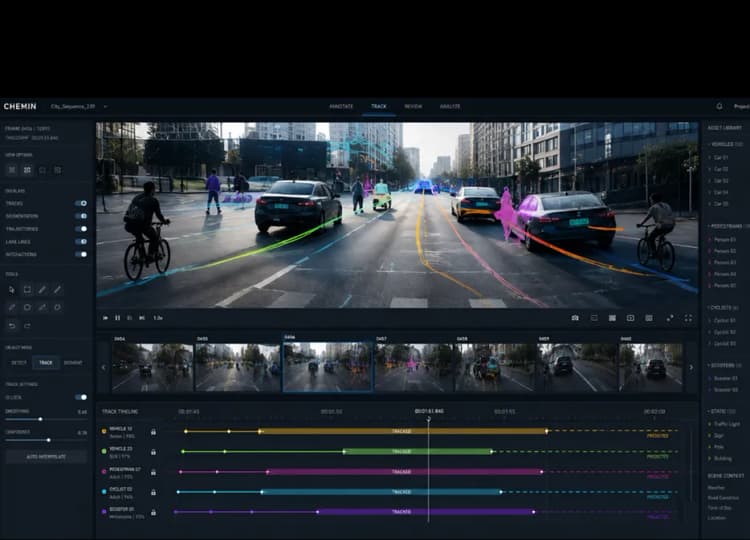
Annotation and Edge-Case Data Collection
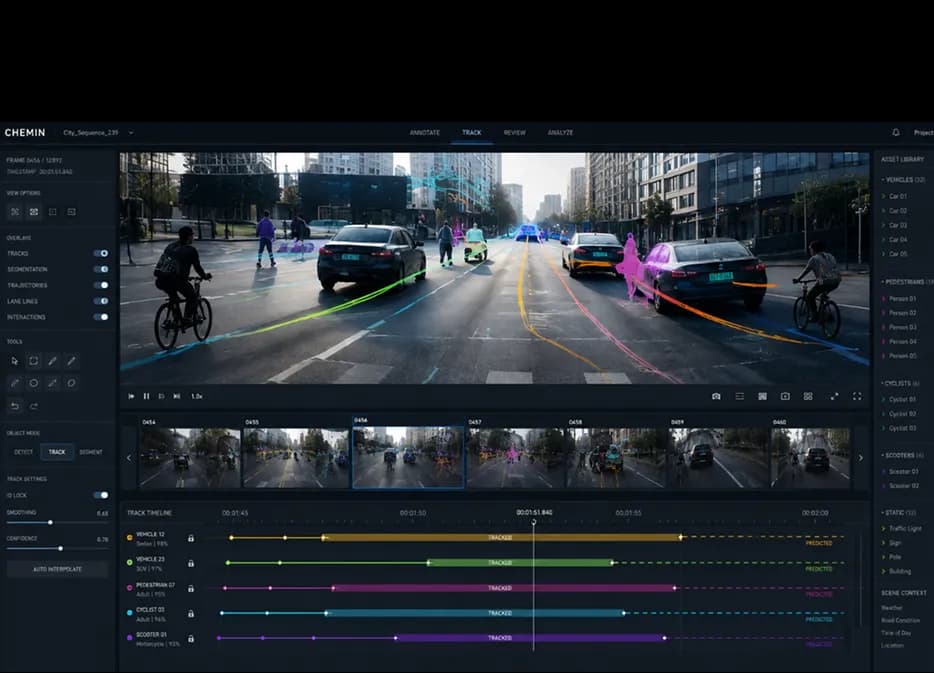
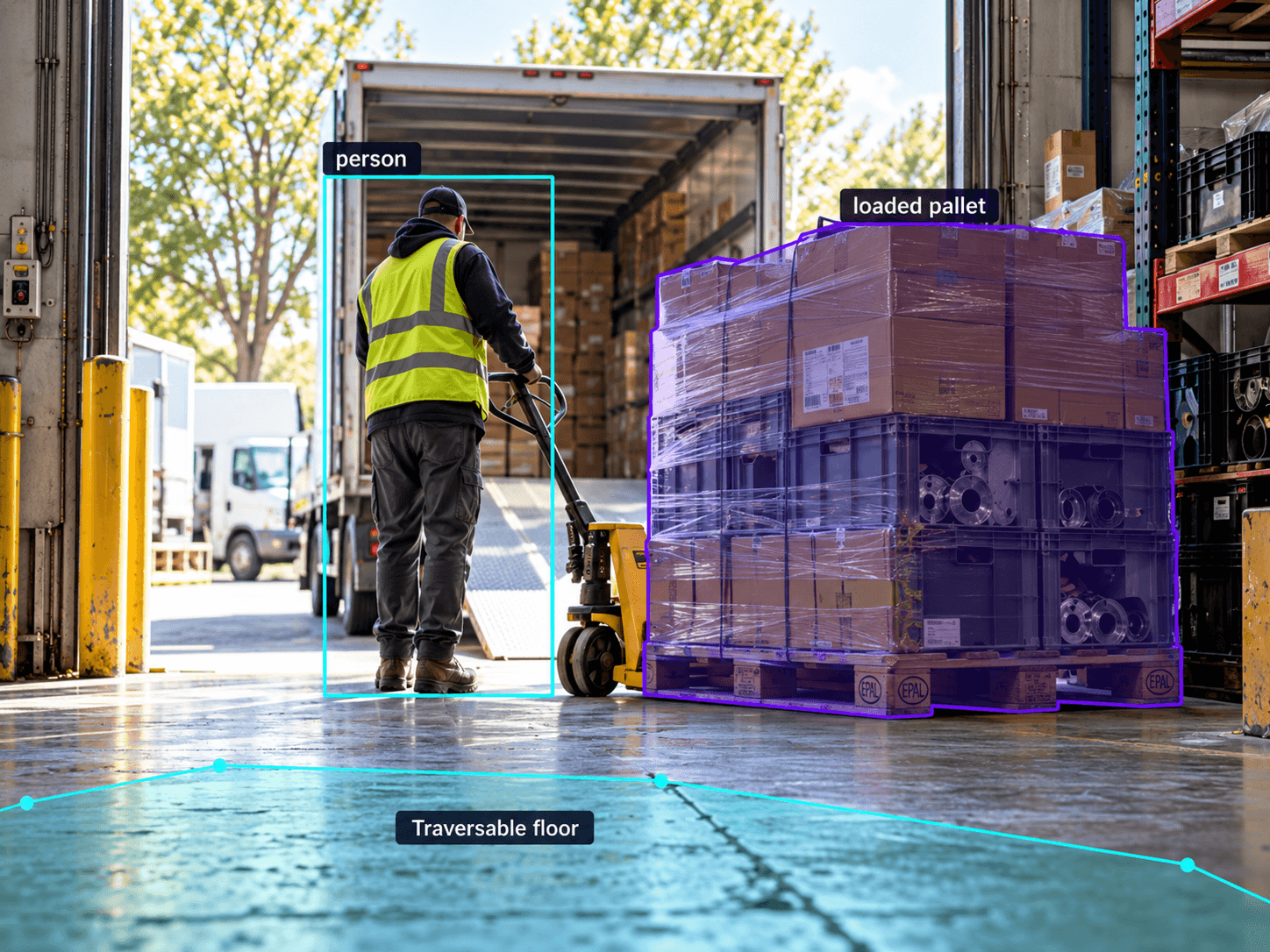
Chemin annotates multi-sensor data frame by frame, keeping labels synchronized across LiDAR, camera, radar, depth, and IMU streams. For failure modes that only show up rarely, like occlusion or unusual weather, we run targeted edge case mining rather than waiting for them to appear in general collection. Every dataset goes through expert QA, reviewed against rubrics built for the specific task rather than generic labeling guidelines.
Why Chemin
Chemin has delivered enterprise data programs for more than 25 years. Our team of 50+ specialists in LLM and data engineering has processed more than 100 million data points and operates across 18 countries.
Annotation and Edge-Case Data Collection
Chemin annotates multi-sensor data frame by frame, keeping labels synchronized across LiDAR, camera, radar, depth, and IMU streams. For failure modes that only show up rarely, like occlusion or unusual weather, we run targeted edge case mining rather than waiting for them to appear in general collection. Every dataset goes through expert QA, reviewed against rubrics built for the specific task rather than generic labeling guidelines.
Teleoperation for Real-World Intelligence
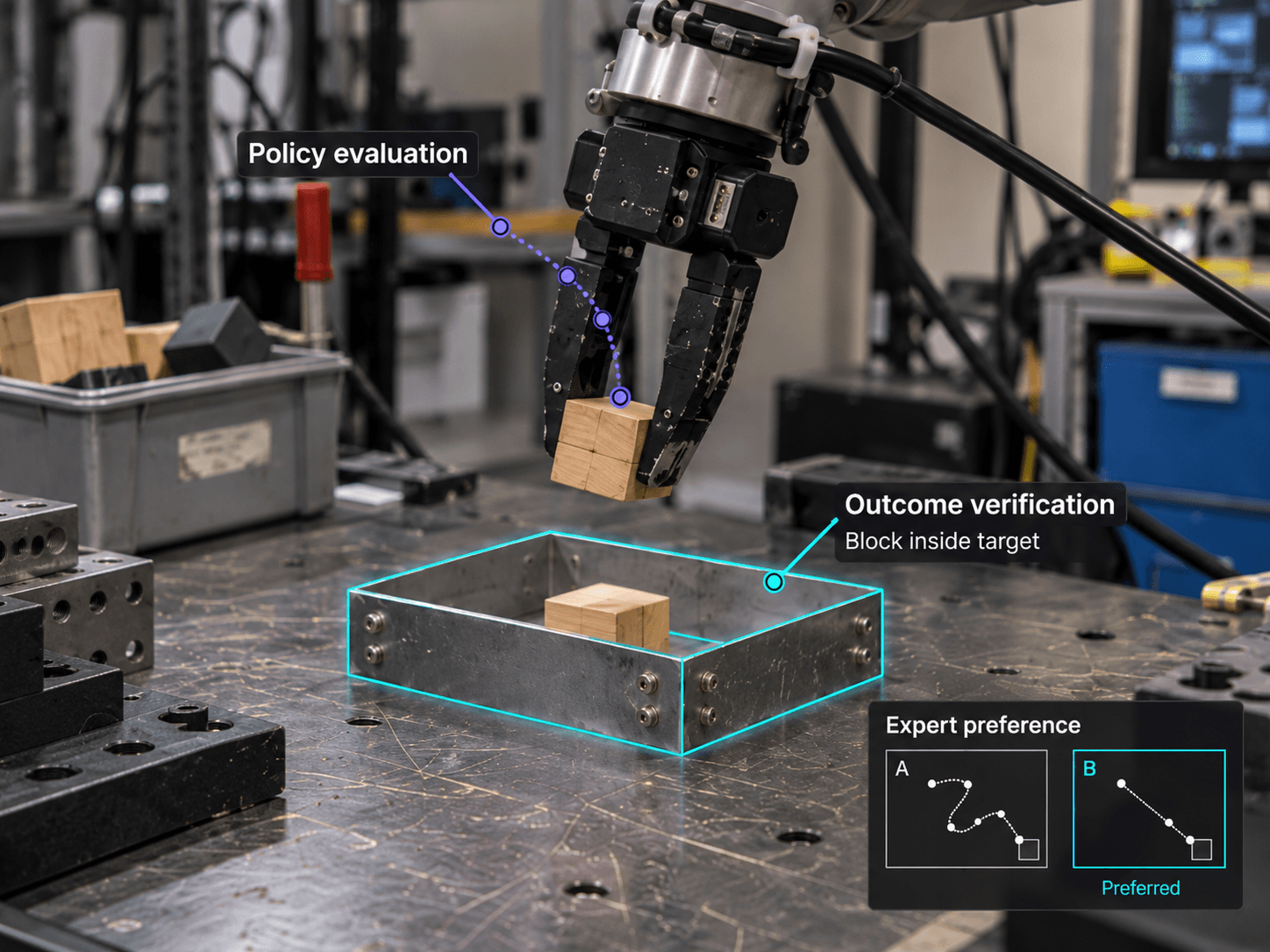
Chemin recruits, trains, and supervises remote operator teams who pilot robots through live tasks, running work that autonomy does not yet cover and taking over when a deployed system reaches its limits. Coverage is built around the fleet's operation hours, and operators are screened for dexterity and calibrated against written procedures. Every session is captured as time-aligned operator commands, robot state, and sensor streams, so the interventions that keep a deployment running also become demonstration data for the next policy.
Frequently asked questions
Find answers to common questions about our services, process, and how we can support your needs.
What sensor data can Chemin annotate?

Camera, LiDAR, radar, depth, IMU, and other sensor streams can be annotated together, with alignment requirements defined for the project.
Can Chemin work with our existing robotics data?
Yes. Data Annotation can label existing datasets. The guidelines and review process are scoped to your sensors, taxonomy, and model objectives.
What robotics workflows can the data support?
Projects may cover perception, navigation, manipulation, and other embodied AI workflows, depending on the dataset and annotation brief.
How does Chemin maintain annotation quality?
Reviewers use task-specific rubrics and gold-standard checks, with calibration and ongoing agreement tracking to help keep labels consistent as work progresses.
Can Chemin collect new robotics data?
Yes. Data Collection can be scoped for sensor recordings and other task-specific data that is not available in your existing datasets.
Make your robotics data easier to evaluate
Start with a sample dataset for your sensors and annotation requirements.